
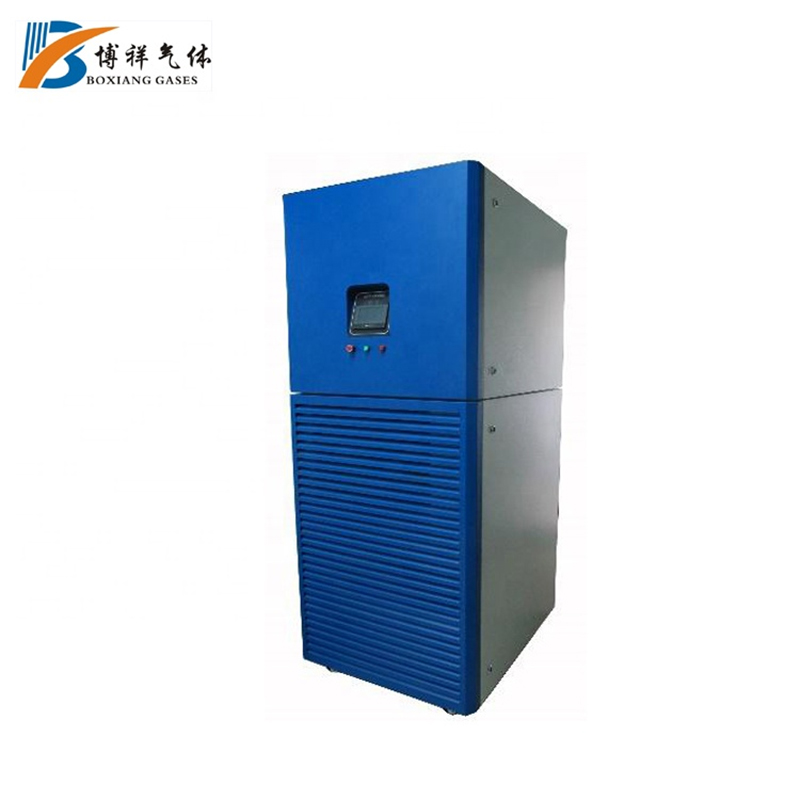
In recent years, the demand for medical oxygen plants has significantly increased, driven by growing healthcare needs and emergency situations such as the COVID-19 pandemic. As hospitals and medical facilities expand their capacity to provide critical respiratory support, understanding the cost and technological aspects of medical oxygen plants becomes essential. This article delves into the factors influencing the cost of medical oxygen plants and sheds light on a key player in the industry, Hangzhou Boxiang Gas Equipment Co., Ltd., a company known for its expertise in oxygen generation and compressed air purification technology.
### Rising Demand for Medical Oxygen Plants
Medical oxygen is a vital resource in healthcare, used extensively in surgeries, emergency care, and treatment of respiratory diseases. The pandemic highlighted the urgent need for reliable and cost-effective oxygen sources, especially in regions where liquid oxygen supply or large-scale cylinder deliveries were challenging. To address these challenges, many healthcare facilities are turning to on-site medical oxygen plants.
These plants use advanced technologies such as Pressure Swing Adsorption (PSA) or Vacuum Pressure Swing Adsorption (VPSA) to generate oxygen from atmospheric air, ensuring a steady and cost-effective supply. However, setting up a medical oxygen plant involves considerable investment, and understanding the cost components is crucial for healthcare administrators and government bodies.
### Breakdown of Medical Oxygen Plant Cost
The cost of a medical oxygen plant varies widely based on scale, capacity, technology, and additional equipment. Some key factors influencing the overall investment include:
1. **Plant Capacity:** The size of the plant, often measured in cubic meters of oxygen produced per hour, directly affects the cost. Smaller units designed for a clinic may cost significantly less than large-scale plants serving multiple hospitals.
2. **Technology Used:** PSA and VPSA technologies are the most common for medical oxygen production. While PSA systems are generally more cost-effective and compact, VPSA plants can offer higher purity and efficiency but come with increased costs.
3. **Equipment Components:** Key components such as air compressors, purification systems, oxygen generators, storage tanks, and control systems add to the overall expenditure. High-quality compressed air purification equipment is vital to meet medical-grade oxygen standards.
4. **Installation and Commissioning:** Costs also include setup, testing, staff training, and certification to ensure the plant meets regulatory requirements for medical oxygen quality and safety.
5. **Maintenance and Operation:** Though not part of initial capital cost, ongoing operational expenses such as electricity, regular maintenance, and periodic replacement of adsorbent materials or filters contribute to the total cost of ownership.
On average, the cost of a medium-sized PSA oxygen plant with the capacity to supply a hospital can range from several hundred thousand to over a million US dollars. Smaller units catering to local clinics can be procured at a fraction of this cost, making them more accessible in low-resource settings.
### Hangzhou Boxiang Gas Equipment Co., Ltd.: Industry Expertise
Located in the picturesque region of the Fuchun River, Hangzhou Boxiang Gas Equipment Co., Ltd. has established itself as a prominent manufacturer specializing in compressed air purification equipment and oxygen generation technologies. The company’s product portfolio includes PSA oxygen generators, VPSA oxygen generators, PSA nitrogen generators, and liquid nitrogen generators.
Hangzhou Boxiang leverages advanced engineering and stringent quality controls to deliver reliable and efficient gas generation systems tailored to diverse industrial and medical applications. Their compressed air purification equipment ensures that the source air for oxygen generators meets required standards, which is critical in producing medical-grade oxygen.
### Technologies in Focus: PSA and VPSA Systems
**PSA Oxygen Generators:**
The PSA (Pressure Swing Adsorption) technology operates by passing compressed air through a zeolite molecular sieve that selectively adsorbs nitrogen, allowing oxygen to pass through as a product gas. This method is widely used due to its cost-effectiveness, reliability, and relatively compact footprint. PSA plants by companies such as Hangzhou Boxiang offer oxygen purity of up to 93% ± 3%, suitable for most medical applications.
**VPSA Oxygen Generators:**
Vacuum Pressure Swing Adsorption (VPSA) is a more advanced process that operates at lower pressure and uses vacuum to regenerate the adsorbent. VPSA units can produce higher purity oxygen and consume less energy but require higher initial capital investment. This technology is suited for large hospitals or industrial applications requiring enhanced oxygen purity and efficiency.
### Importance of Compressed Air Purification
A critical factor in ensuring the safety and quality of medical oxygen is the purity of the compressed air entering the oxygen generator. Dust, oil, moisture, and other contaminants can degrade the performance of the oxygen generating system and pose health risks.
Hangzhou Boxiang Gas Equipment specializes in compressed air purification solutions, employing multi-stage filters, dryers, and oil removal devices. These purification units form an integral part of the oxygen plant, guaranteeing compliance with strict medical oxygen standards and extending the life of downstream equipment.
### Evaluating the Return on Investment
While the upfront cost of installing a medical oxygen plant may be substantial, the benefits often justify the investment:
- **Constant Oxygen Supply:** On-site generation minimizes dependency on external suppliers, reducing the risk of oxygen shortages.
- **Cost Savings:** Over time, producing oxygen in-house is more economical than purchasing oxygen cylinders or liquid oxygen.
- **Reduced Logistics:** Eliminates transportation and handling costs, which can be challenging in remote or underserved areas.
- **Sustainability:** PSA and VPSA systems are energy-efficient and can be integrated with renewable energy sources in the future.
### Conclusion
The increasing demand for medical oxygen plants globally reflects the critical role oxygen plays in modern healthcare. Understanding the cost dynamics and technology options empowers healthcare providers to make informed decisions. Leading manufacturers like Hangzhou Boxiang Gas Equipment Co., Ltd. provide comprehensive oxygen generation and purification solutions that meet stringent medical standards, enabling hospitals and clinics to ensure a reliable and safe oxygen supply.
Investing in a medical oxygen plant, while capital intensive, can transform healthcare delivery, especially in regions vulnerable to oxygen scarcity. With advancements in PSA and VPSA technologies, combined with robust compressed air purification from experienced companies, the future of medical oxygen generation looks promising and sustainable.