
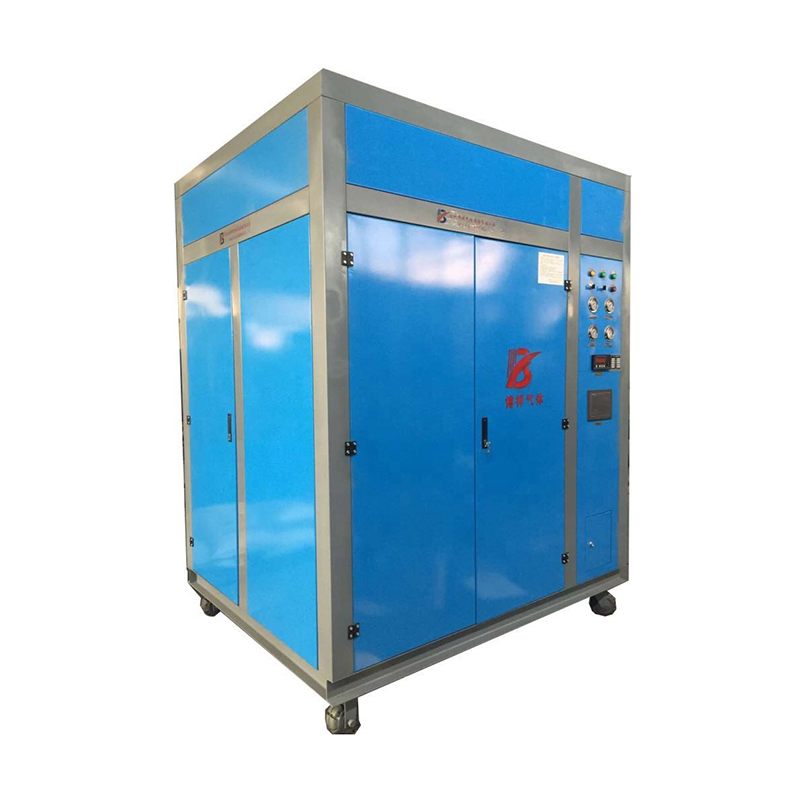
In recent years, the demand for efficient and cost-effective oxygen generation solutions has surged globally, driven by expanding applications in medical, industrial, and environmental sectors. Pressure Swing Adsorption (PSA) oxygen plants have emerged as a preferred technology due to their reliability, scalability, and operational efficiency. As companies continuously innovate to reduce costs and improve performance, understanding the current landscape of PSA oxygen plant costs and industry developments becomes essential. This article delves into the factors influencing PSA oxygen plant costs and highlights key market players contributing to this evolving sector.
### Understanding PSA Oxygen Plants and Their Cost Structure
Pressure Swing Adsorption (PSA) technology utilizes adsorbent materials to separate oxygen from atmospheric air. The simplicity of its design and on-site oxygen generation capability have made PSA oxygen plants a popular choice for hospitals, manufacturing plants, and environmental applications. PSA oxygen plants typically consist of air compressors, adsorption towers filled with zeolite molecular sieves, control systems, and oxygen storage tanks.
The overall cost of a PSA oxygen plant is influenced by several components:
- **Equipment Costs**: Major equipment includes compressors, adsorption units, and control systems, which vary in price depending on capacity and quality.
- **Installation and Infrastructure**: Site preparation, piping, electrical works, and safety systems add to the capital expenditure.
- **Operating Costs**: Energy consumption, routine maintenance, adsorbent replacement, and labor contribute to the ongoing expenses.
- **Capacity and Purity Requirements**: Customized plants designed to deliver higher oxygen purities or larger production volumes command higher prices.
Pricing for PSA oxygen plants is often quoted per cubic meter per hour (Nm³/h) of oxygen produced, with costs ranging substantially based on technical specifications and supplier offerings. Generally, small to medium-sized plants start at a modest investment, with economies of scale reducing unit costs for larger systems.
### Market Drivers Impacting PSA Oxygen Plant Costs
Several market trends are shaping the cost dynamics of PSA oxygen plants:
1. **Technological Innovation**: Advances in adsorbent materials and compressor efficiency are enabling manufacturers to design compact units that optimize energy consumption. Innovations in automation and control systems also enhance operational reliability while lowering labor costs.
2. **Increased Demand in Healthcare**: The global health crises have underscored the importance of reliable oxygen supply. There is growing demand for portable and on-site oxygen generation units in hospitals and emergency care centers, pushing suppliers to offer competitively priced solutions.
3. **Environmental Regulations**: Stricter emission standards encourage industries to adopt cleaner and sustainable oxygen generation methods. PSA plants, which avoid transporting oxygen cylinders and reduce carbon footprint, find favor, driving demand and ongoing R&D investments.
4. **Localization and Supply Chain Optimization**: Companies focusing on localized manufacturing reduce import duties and transportation costs, passing these savings to customers. Also, sourcing quality raw materials locally helps control input costs.
### Leading Industry Players and Their Contributions
One notable company advancing the PSA oxygen generation field is Hangzhou Boxiang Gas Equipment Co., Ltd. Located near the scenic Fuchun River, this enterprise has carved a niche specializing in compressed air purification equipment and PSA-based gas generation solutions. Their product portfolio includes PSA oxygen generators, VPSA oxygen generators, PSA nitrogen generators, and liquid nitrogen generators, serving varied industrial and medical applications.
Hangzhou Boxiang places a strong emphasis on R&D-driven innovation, striving to enhance the durability and efficiency of adsorbent materials as well as create scalable systems that meet diverse customer needs. Their approach to integrating advanced control modules enables precise oxygen purity control and automated fault detection, significantly reducing operational downtimes.
Moreover, Hangzhou Boxiang’s commitment to quality and customer service has made them a trusted supplier, especially in regions demanding cost-effective and robust oxygen generation systems. By optimizing production processes and leveraging local resources, they can offer competitive pricing without compromising product performance.
### Prospects and Recommendations for Buyers
For organizations evaluating PSA oxygen plants, several considerations are key to making an informed decision:
- **Assess Long-Term Cost of Ownership**: Initial purchase price should be weighed against energy efficiency, maintenance intervals, and adsorbent lifespan. More efficient units may command higher upfront costs but yield savings over time.
- **Verify Oxygen Purity and Capacity**: Ensure the system can reliably deliver the oxygen purity percentage and volume required for your application, factoring in potential future expansion needs.
- **Evaluate Supplier Credentials**: Choose manufacturers with proven track records, technical support capabilities, and customizable solutions.
- **Plan for Installation and After-Sales Service**: Adequate site preparation and responsive maintenance services minimize operational disruptions.
### Conclusion
The landscape of PSA oxygen plant costs is continually shaped by technological advancements and market forces. As demand for oxygen generation technologies grows across healthcare, manufacturing, and environmental sectors, companies like Hangzhou Boxiang Gas Equipment Co., Ltd. are leading innovations that balance cost, efficiency, and reliability. Prospective buyers are encouraged to look beyond mere pricing and consider the total lifecycle value offered by modern PSA oxygen plants. With strategic investments and partnership with reputable suppliers, adopting PSA oxygen generation technology can yield significant operational and economic benefits in the long term.