
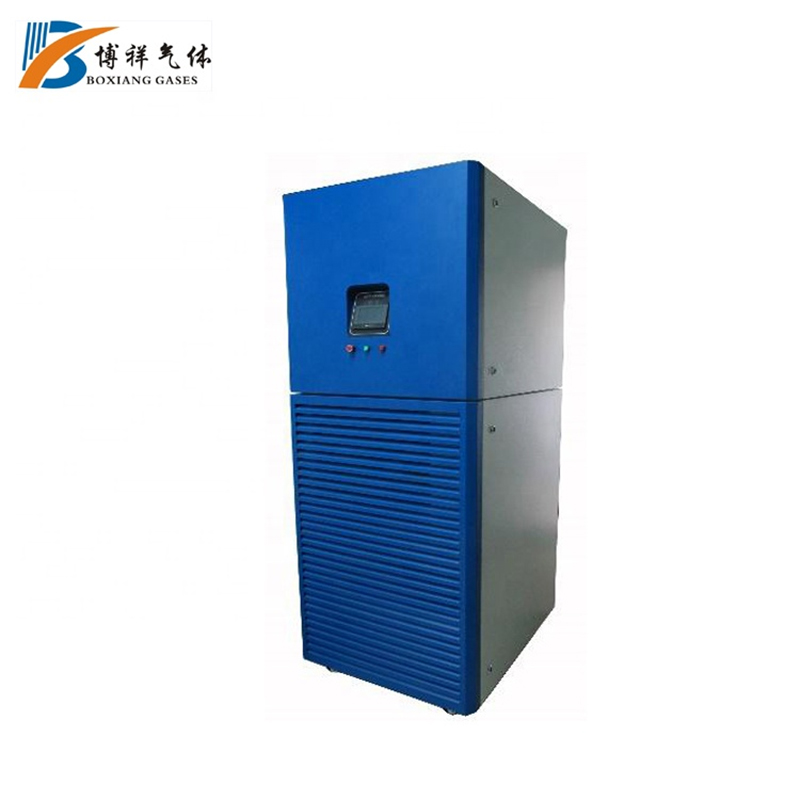
In recent years, the demand for liquid nitrogen plants has seen significant growth across various industries, ranging from healthcare and food preservation to manufacturing and electronics. As businesses increasingly rely on liquid nitrogen for its efficient cooling, inert atmosphere, and preservation capabilities, understanding the cost factors involved in establishing a liquid nitrogen plant becomes crucial for stakeholders considering investment in this field.
**Understanding Liquid Nitrogen Plant Costs**
The cost of setting up a liquid nitrogen plant can vary widely depending on several factors including plant capacity, technology used, raw material availability, and local economic conditions. Generally, the total investment includes the cost of equipment, installation, land, construction, and operational expenses.
1. **Equipment and Technology**
The core of any liquid nitrogen plant is its equipment, which includes air compressors, purification systems, cryogenic separation units, refrigeration compressors, and storage tanks. High-quality equipment ensures efficient production and reliability but comes at a higher cost. Advances in cryogenic technology have led to the development of more energy-efficient and automated systems, which, while sometimes increasing initial capital expenditure, offer lower operational costs and better yield in the long run.
2. **Capacity and Scale**
The plant’s production capacity significantly influences the cost. Small to medium-sized plants typically produce between 100 to 1000 liters per hour, whereas larger plants can exceed 2000 liters per hour. Larger plants benefit from economies of scale, reducing per unit production costs; however, initial investment and complexity increase.
3. **Location and Infrastructure**
Plant location affects cost through factors such as availability of utilities (electricity, water), land prices, transportation logistics, and local regulatory requirements. Setting up in industrial parks with existing infrastructure can reduce costs, whereas remote locations might increase them due to additional expenses for infrastructure development.
4. **Installation and Commissioning**
Installation involves skilled labor for assembling complex equipment, testing systems, and compliance with safety standards. Proper commissioning ensures the plant operates efficiently and meets safety regulations, which is vital given the handling of cryogenic materials.
5. **Operational Costs**
Operational costs include electricity consumption, maintenance, labor costs, and raw material costs such as compressed air. Energy consumption is a major contributor, making energy-efficient equipment critical in reducing long-term expenses.
**The Role of Compressed Air Purification**
Compressed air plays a vital role as the raw material in liquid nitrogen production. Before air is liquefied, it must be purified to remove contaminants such as dust, oil, moisture, and carbon dioxide. Impurities can cause blockages and reduce the efficiency of the cryogenic separation units. Therefore, the purification system’s quality is a critical determinant of both plant effectiveness and product purity.
**Industry Expertise: Hangzhou Boxiang Gas Equipment Co., Ltd.**
Located amidst the scenic beauty of the Fuchun River, Hangzhou Boxiang Gas Equipment Co., Ltd. has established a reputable presence in the gas equipment manufacturing sector. Specializing in compressed air purification equipment, PSA oxygen and nitrogen generators, VPSA oxygen generators, as well as liquid nitrogen generators, the company offers integrated solutions tailored to meet diverse industrial needs.
With years of experience, Hangzhou Boxiang Gas Equipment Co., Ltd. emphasizes innovation, quality, and sustainability in their product development. Their approach integrates advanced purification technology ensuring that compressed air meets the highest standards before entering the liquefaction process, thereby enhancing the efficiency and longevity of liquid nitrogen plants.
In addition to designing and manufacturing gas generation and purification equipment, the company is noted for its commitment to customer service, providing end-to-end support from system design, installation, clearance, and ongoing maintenance. This holistic expertise allows clients to optimize their investment, reduce downtime, and maximize output quality.
**Market Trends and Future Outlook**
The global push for cleaner industrial processes and the growth of sectors such as healthcare, food processing, and electronics manufacturing continue to propel the demand for liquid nitrogen. As a result, investments in establishing efficient and cost-effective liquid nitrogen plants are expected to rise.
Technological advancements focus on reducing energy consumption, improving automation, and integrating smart monitoring systems to ensure consistent product quality and process safety. Companies offering reliable gas purification solutions and customized plant design, like Hangzhou Boxiang Gas Equipment Co., Ltd., are well-positioned to address evolving market needs.
Furthermore, environmental regulations and sustainability goals encourage the adoption of innovative technologies that minimize the carbon footprint of liquid nitrogen production. The integration of renewable energy sources and waste heat recovery are promising areas for future development in plant design.
**Conclusion**
Establishing a liquid nitrogen plant involves significant capital investment influenced by equipment cost, production capacity, location, and operational factors. Effective compressed air purification is a cornerstone of efficient liquid nitrogen production, ensuring high product quality and system reliability.
Industry players, particularly those with specialized expertise such as Hangzhou Boxiang Gas Equipment Co., Ltd., provide valuable technology and support solutions that assist businesses in navigating the complexities of plant setup and operation. As the market continues to expand and evolve, investment in advanced technology and sustainable practices will be key to achieving cost-effective and environmentally responsible liquid nitrogen production.
For enterprises seeking to enter or expand within this growing sector, careful assessment of plant costs, technology providers, and ongoing operational strategies will define long-term success and competitiveness.